


30/08/2026

Share:
30/08/2026
Share:
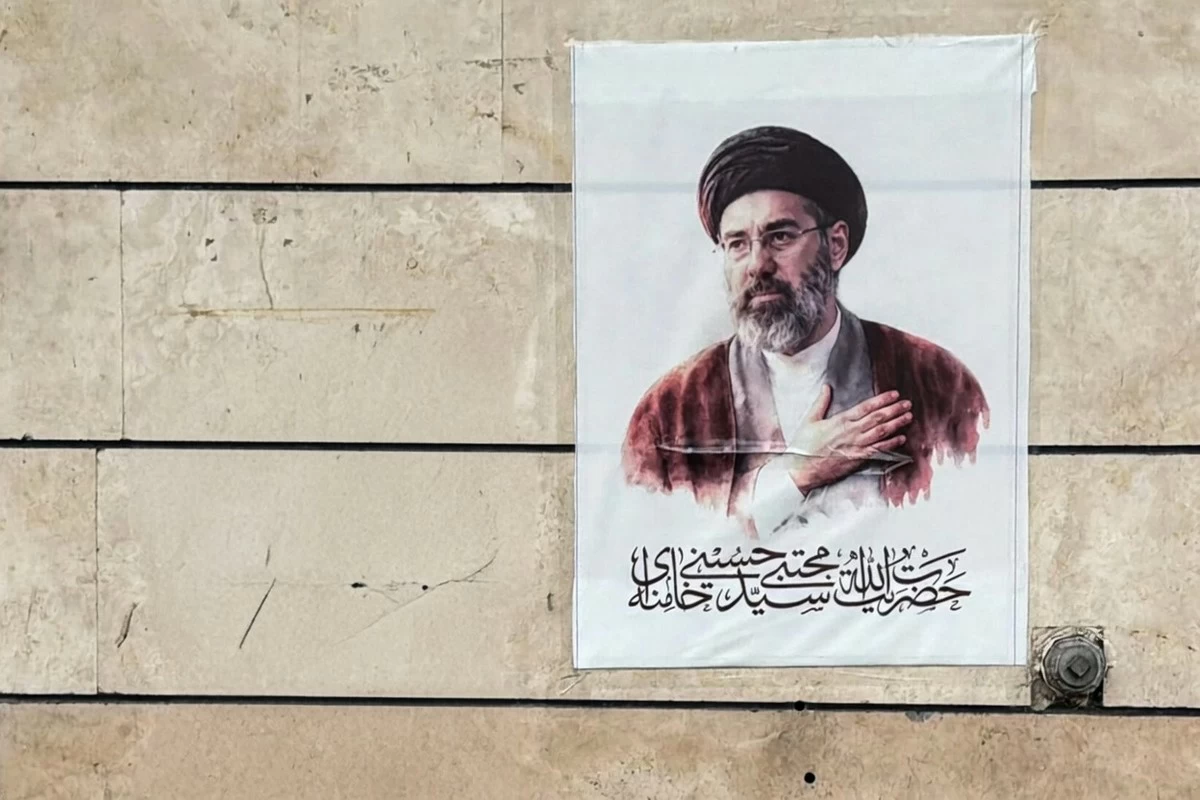

TEHRAN, Aug 30: Iran’s Supreme Leader Mojtaba Khamenei on Sunday urged Muslim rulers, particularly those in West Asia and the Persian Gulf, to identify what he called their “true enemy” and confront its plans, as tensions between Tehran and its Gulf neighbours remain high.
In a message marking Islamic Unity Week, Khamenei called for greater unity, cooperation and mutual defence among Muslim countries, warning that divisions within the Muslim world served the interests of its adversaries.
“My emphatic and repeated recommendation to the rulers of Islamic countries, particularly those in West Asia and along the Persian Gulf, is to identify your true enemy, understand its plan and confront it,” he said.
Khamenei accused the United States and Israel of seeking to divide Muslim countries, saying their hostility extended beyond Iran and its regional allies. He argued that greater unity among Muslim nations would strengthen their ability to protect their interests and counter external threats.
During the war, widespread Iranian drone and missile strikes have heavily damaged critical civilian infrastructure across multiple Gulf Cooperation Council (GCC) member states, including Kuwait, Saudi Arabia, the United Arab Emirates, Bahrain, Qatar, and Oman. Moving beyond strictly military installations, these attacks have deliberately targeted vital utility systems, including power generation networks and water desalination stations, causing severe electricity disruptions and fires. Key commercial and energy hubs, such as Kuwaiti oil refineries and Qatar’s Ras Laffan liquefied natural gas terminal, have also been hit, deeply impacting the region's domestic resource supply and economic stability.
The human toll of these strikes has fallen heavily on civilian populations, resulting in dozens of deaths and hundreds of injuries, primarily among expatriate workers who sustain the region's infrastructure. Frequent air raid sirens and falling debris from intercepted missiles have severely disrupted daily life, leading to the grounding of commercial flights and localized evacuations. Despite firm declarations from Gulf governments that their territories are not being used to launch strikes against Iran, the ongoing bombardment of these civilian centers continues to threaten regional safety and escalate the humanitarian impact of the broader conflict.
Meanwhile, Mojtaba Khamenei has remained out of public view for roughly six months after being seriously wounded in the U.S.-Israeli airstrikes that killed his father, former Supreme Leader Ayatollah Ali Khamenei. Since taking office, he has not made a public appearance, with his messages reaching the public primarily through written statements issued in his name. Iranian regime says he continues to govern from a secure location while recovering from his injuries. Still, the prolonged absence and lack of recent photo, video or audio evidence have fueled questions and speculation over his condition and ability to lead.