



03/09/2026

Share:
03/09/2026
Share:
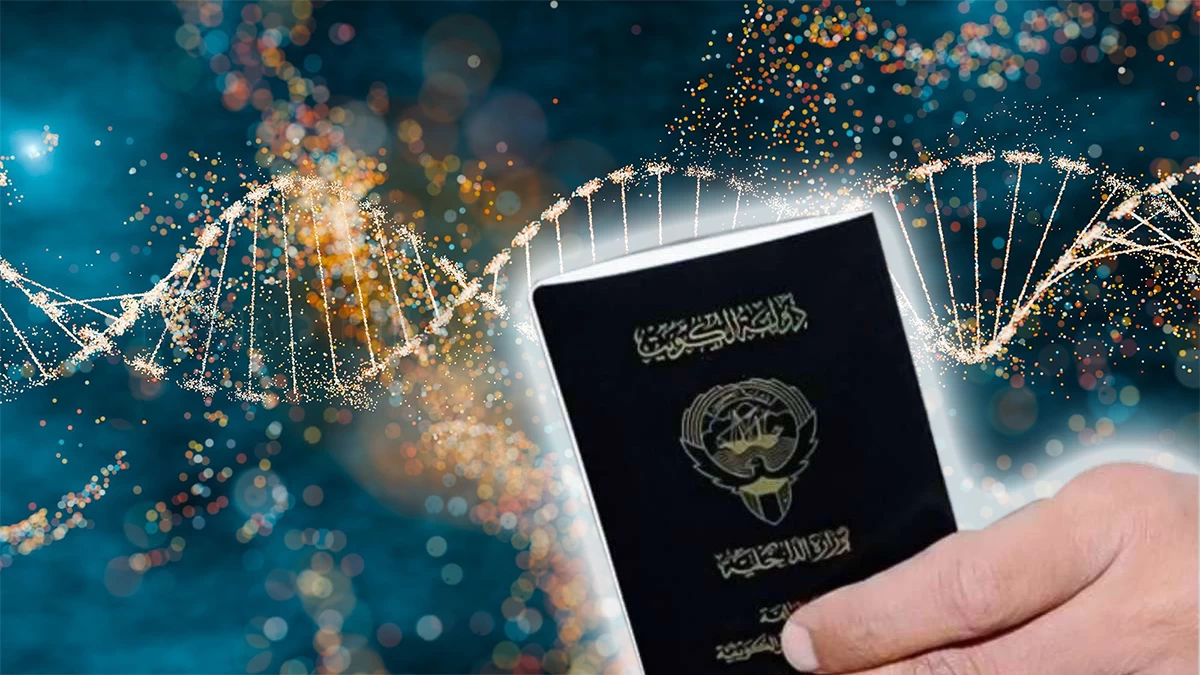

KUWAIT CITY, Sept 3: A DNA sample taken from a naturalized Kuwaiti citizen months before his death has become a key piece of evidence in an investigation that has uncovered alleged irregularities stretching back more than six decades.
The citizen died just weeks ago, but a genetic sample collected from him last January remained preserved with the Forensics Department. Investigators later turned to that sample while examining his family file and reportedly discovered that five people registered as his children were not his biological sons, but were allegedly the sons of his Syrian brothers.
One of the cases has already been resolved. According to the Nationality Investigation Department, one of the five nephews had been registered in Kuwait as the son of his uncle and his uncle’s wife, despite allegedly being a Syrian national. He later joined the Ministry of Interior and rose through the ranks to become a senior military officer and area commander.
The roots of the case reportedly date back to 1965, when the naturalized citizen obtained Kuwaiti citizenship. Investigators found that, alongside his biological children, he had registered five of his Syrian nephews as his own children. Those records remained in place for decades before coming under scrutiny by the Nationality Investigation Department.
The investigation then took an unexpected turn when authorities examined the officer’s wider family connections. His biological mother and his brothers and sisters were found to be living in Kuwait and holding Syrian citizenship. One of his biological brothers was registered as a stateless person (Bedoun), while his mother and sisters carried the family’s original surname — a name different from the one under which the officer was registered in Kuwait.
Authorities therefore found themselves examining two separate nationality records stemming from the same family: one involving the officer’s alleged incorrect registration as the son of a Kuwaiti citizen, and another involving his brother’s registration as a stateless resident despite investigators determining that he was Syrian.
DNA becomes the missing pieceWith documentary records and family links raising questions over the officer’s lineage, investigators turned to science. The preserved DNA sample belonging to the deceased naturalized citizen provided an opportunity to verify the claimed parent-child relationship even after his death.
By combining official records, family links, inquiries into relatives and genetic testing, investigators concluded that the officer was not biologically related to the man listed as his father, according to the findings cited in the case.
The Supreme Committee for Citizenship Investigation subsequently decided to withdraw Kuwaiti citizenship from the officer and his 14 dependents, including his sons and daughters.
But the investigation is far from over.
The officer was reportedly only one of five Syrian nephews registered as children of the deceased naturalized citizen. While the case involving the officer and his brother has been addressed, authorities are continuing to investigate the remaining three nephews, examining their records and alleged connections with other Syrians living in Kuwait.
The decades-old family file, which began with citizenship records dating to 1965, has therefore opened a much wider investigation — with authorities now working to determine the status of each individual based on documentary evidence, family links and further examinations.