



25/04/2026

Share:
25/04/2026
Share:

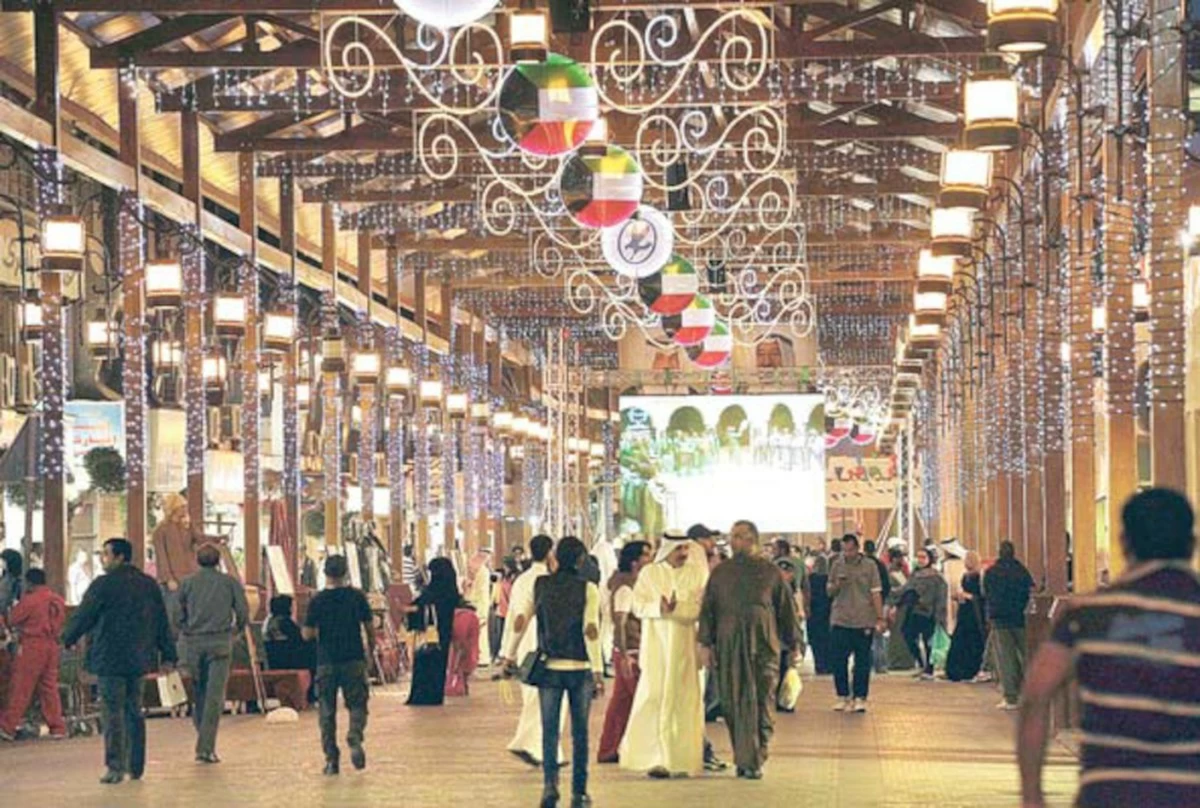
KUWAIT CITY, April 25 : The Arms Market ... is one of the oldest traditional markets within the historic Al-Mubarakiya Market in the heart of Kuwait City, reports Al-Rai daily. It emerged as a commercial hub in the early 20th century, when the trade in military equipment and hunting weapons formed an important part of local community life.
The market was a destination for those wishing to purchase traditional light weapons such as hunting rifles, in addition to hunting supplies, maintenance equipment, and spare parts. Edged weapons such as swords, daggers, and others were also sold. In this regard, historian Farhan Abdullah Al- Farhan explained, “The Arms Market originated in the early 20th century and began in the inner market. After the establishment of Al-Mubarakiya Market, its southern section was designated for the Arms Market, which remains to this day.
The market is considered one of the largest and oldest in Kuwait, reflecting the commercial character that existed before the oil era, when traditional markets served as meeting points for merchants and citizens from various regions. During the market’s heyday, its shops were small and mostly run by families and merchants who had inherited the trade for generations. These shops offered traditional hunting weapons, magazines, and ammunition, in addition to leather goods such as saddlebags, as well as hunting and equestrian equipment, heritage items, and antique swords. Over time, the goods offered in the market began to change, and the smell of gunpowder gradually gave way to incense and perfumes as these items became more widespread.
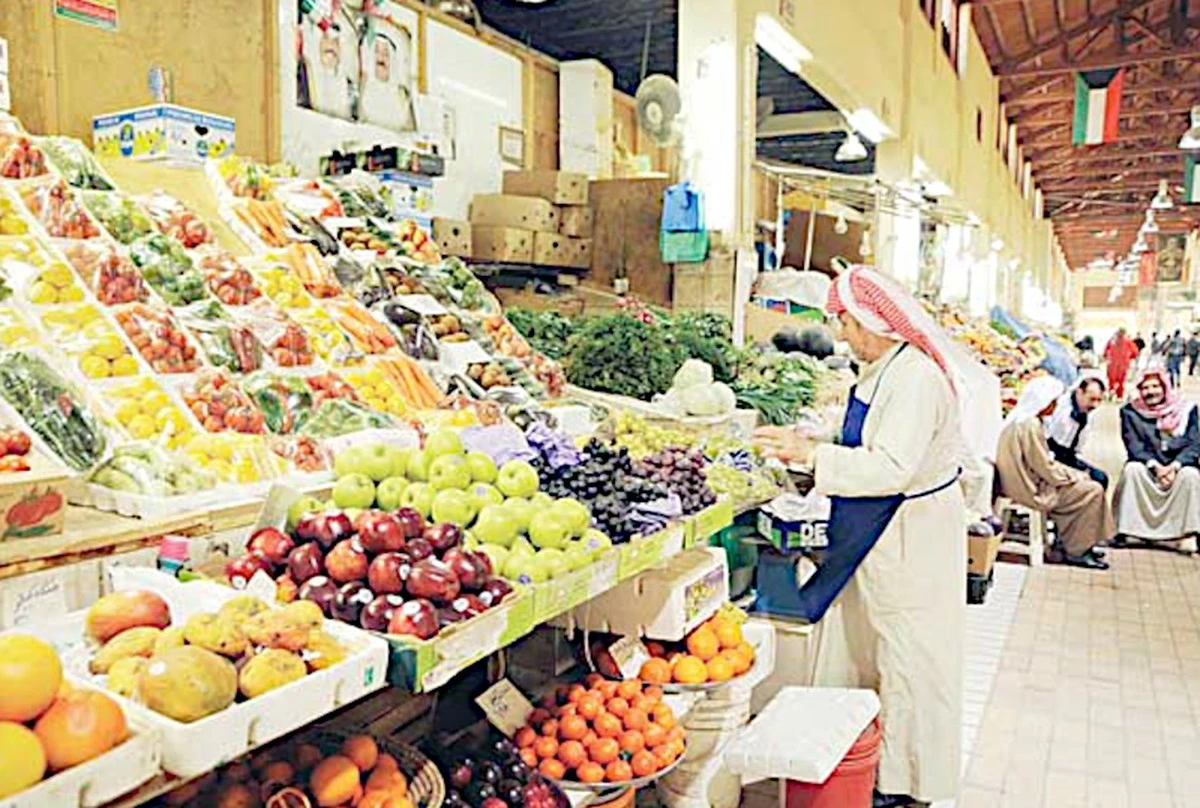
However, some shops selling equestrian equipment and ornate metal tools remained. Over time, the number of shops selling coffee pots, teapots, oud and perfumes, hand-tailored bags, spices, and classic weapons (now sold only with official licenses in accordance with state laws) also increased.
Among the most prominent arms dealers in Kuwait in the past were Ibrahim Saeed Al-Badawi, Ishaq Al-Hajri, and Ibrahim Al-Mufarraj. Weapons were smuggled from the Sultanate of Oman to Kuwait, as the British authorities had prohibited arms trading in Kuwait and the surrounding areas.” Al-Farhan pointed out that the Arms Market is an important part of Kuwait’s cultural identity, as its alleyways preserve the memories of merchants and Gulf figures who visited it over the decades. He affirmed that citizens and tourists alike used to visit it to explore an important chapter of Kuwait’s trade history before the country’s major economic transformation. Al-Farhan highlighted that the market is not only seen as a place for buying and selling goods, but also as a cultural landmark that refl ects stories of daily life in old Kuwait.