



01/10/2026

Share:
01/10/2026
Share:
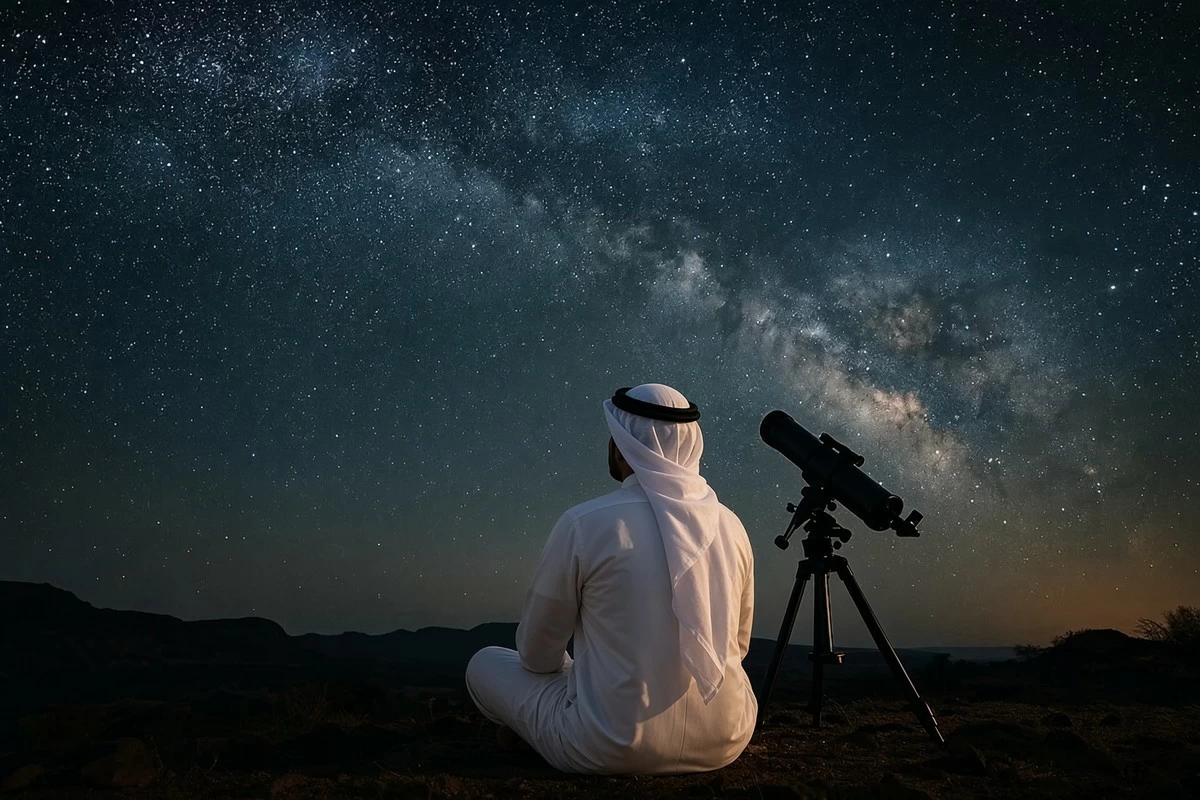

KUWAIT CITY, Oct 1: The Al-Ojeiri Scientific Center revealed that Kuwait will experience nine unique astronomical events during October 2026, reports Al-Seyassah daily. These events include Saturn’s opposition to the Sun, lunar conjunctions with various planets and celestial objects, the Draconid and Orionid meteor showers, a full moon, and a close approach to the Pleiades star cluster. According to the center, on October 4, Saturn will be positioned directly opposite the Sun from Earth, making it an excellent target for observation. It will be visible from Kuwait City from sunset to sunrise. On October 5, the Moon will pass just over one degree north of Mars, creating a notable apparent close approach between the two celestial bodies. Both will be visible together in the dawn sky from Kuwait City.
The peak of the Draconid meteor shower will occur on October 8 and 9. These meteors will be visible after sunset, and this year, their activity coincides with the new moon phase, providing dark, moonless skies that enhance visibility. The new moon will occur on October 10, with the Moon and Sun in alignment. The crescent moon for Jumada al-Ula is anticipated to appear at 6:50 PM. On October 12, Mercury will reach its maximum eastern elongation, providing an ideal opportunity for viewing, as it will be visible in the evening sky away from the Sun’s brightness. The Orionid meteor shower will peak on October 21 and 22, making it the second most significant meteor shower of the month, with activity typically continuing until November 7.
On October 24, the Moon will pass 6 degrees and 47 arcminutes north of Saturn. At 14 days old, both the Moon and Saturn will be visible together in the evening sky from Kuwait City. The Moon will reach its full phase on October 26, located in the lunar mansion known as Al-Butayn. This full moon in October is referred to as the “Hunter’s Moon,” a name historically associated with certain Indigenous North American tribes. The name refers to the Moon’s brightness during this season, which helped hunters locate animals at night during the traditional hunting period. On October 28, the Moon will move closer to the Pleiades star cluster. This celestial occurrence can be seen with the naked eye, especially in areas away from bright lights, where viewing conditions are most favorable.