



01/09/2026

Share:
01/09/2026
Share:

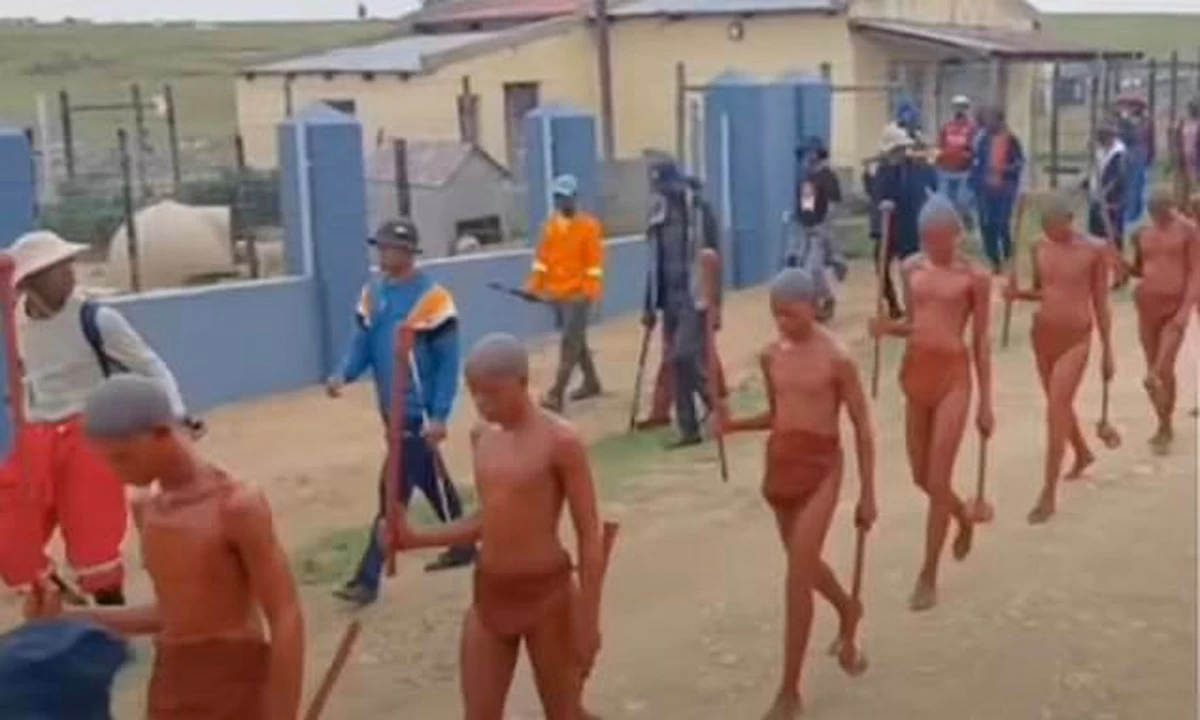
JOHANNESBURG, Sep 1: Traditional circumcision initiation ceremonies in South Africa have resulted in dozens of deaths and severe injuries among boys and young men, with authorities blaming illegal initiation schools and unqualified practitioners for many of the tragedies.
The ceremonies, known as Ulwaluko, are held twice a year and are intended to mark the transition from boyhood to manhood. Initiates typically spend about three weeks at secluded initiation schools, where they are taught traditional values, survival skills and tribal history.
However, authorities and health officials have raised concerns over illegal initiation schools where circumcisions are allegedly performed by untrained practitioners using unsafe equipment and methods.
Local reports said 43 boys died during this year's winter initiation season. In 2024, a total of 93 deaths were recorded during the winter and summer initiation seasons, along with 11 cases involving penile amputations.
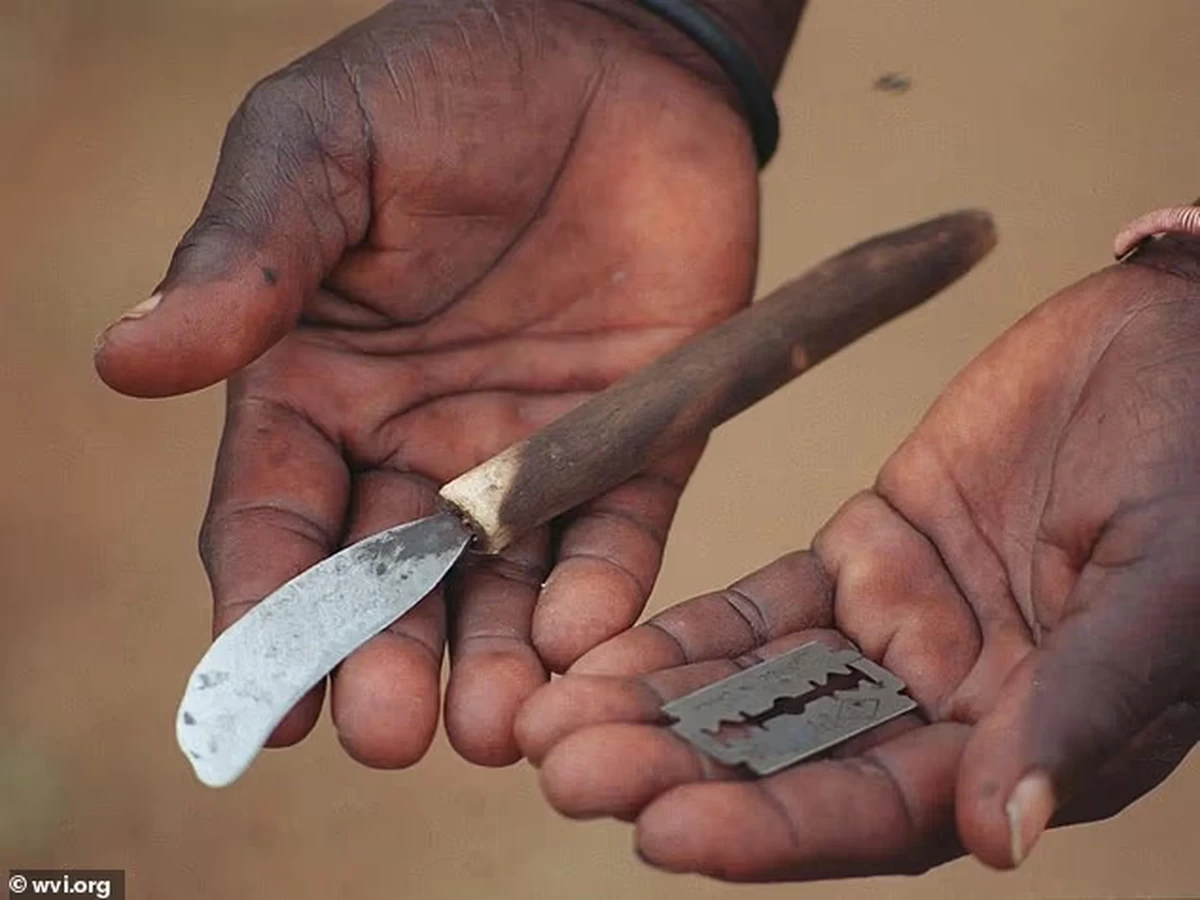
A South African government-commissioned report recorded 322 deaths among young initiates between 2021 and 2024, as well as thousands of hospitalisations and cases of severe injury and amputation.
The report attributed many of the deaths and injuries to criminal networks operating illegal initiation schools, where untrained traditional surgeons and attendants carry out circumcisions in unsafe conditions.
The main medical causes of death include gangrene, sepsis and severe dehydration, while authorities have also reported cases involving physical abuse and other forms of violence.
South Africa has outlawed unregistered initiation schools and requires traditional surgeons to meet training and qualification requirements. Police have been given powers to shut down illegal schools and arrest those running them.
Authorities said 42 illegal initiation schools have been closed, 40 people arrested and 180 boys rescued in enforcement operations.
Despite the risks, Ulwaluko remains an important cultural and spiritual tradition for many communities, particularly in parts of South Africa. Those who complete the initiation may gain greater acceptance in their communities and be permitted to participate in certain traditional meetings and social activities.
South Africa's Minister of Traditional Affairs, Velenkosini Hlabisa, condemned the continued operation of illegal initiation schools following the latest deaths.
“These figures are deeply concerning to us,” Hlabisa said, offering condolences to the affected families. He said the deaths highlighted the need for stronger collective efforts to eliminate preventable deaths, injuries, kidnappings and other crimes associated with customary initiation.
“Respect for tradition must go hand in hand with respect for the law and every initiate's constitutional right to life, dignity and safety,” Hlabisa said, adding that the government was working toward a goal of zero deaths.
Under South African law, boys under 16 are not permitted to attend initiation schools. However, authorities have reported cases of children as young as 10 being taken to illegal schools.
While participation is formally voluntary, cultural and peer pressure can be significant. Boys who refuse to undergo the ritual may face social stigma and be labelled “Inkwenkwe,” or “boy,” which is regarded as an insult in some communities.
The initiation tradition dates back centuries and is conducted in secrecy. Initiates are generally expected not to disclose details of the ceremony, while the secluded nature of some schools has made it difficult for authorities and families to monitor conditions.
The winter initiation season generally runs from mid-May to mid-July, while the summer season takes place from November to January.
Authorities have repeatedly urged families and traditional leaders to ensure that initiates attend only registered schools and that circumcisions are performed by properly trained practitioners under safe conditions.