


10/11/2026

Share:
10/11/2026
Share:

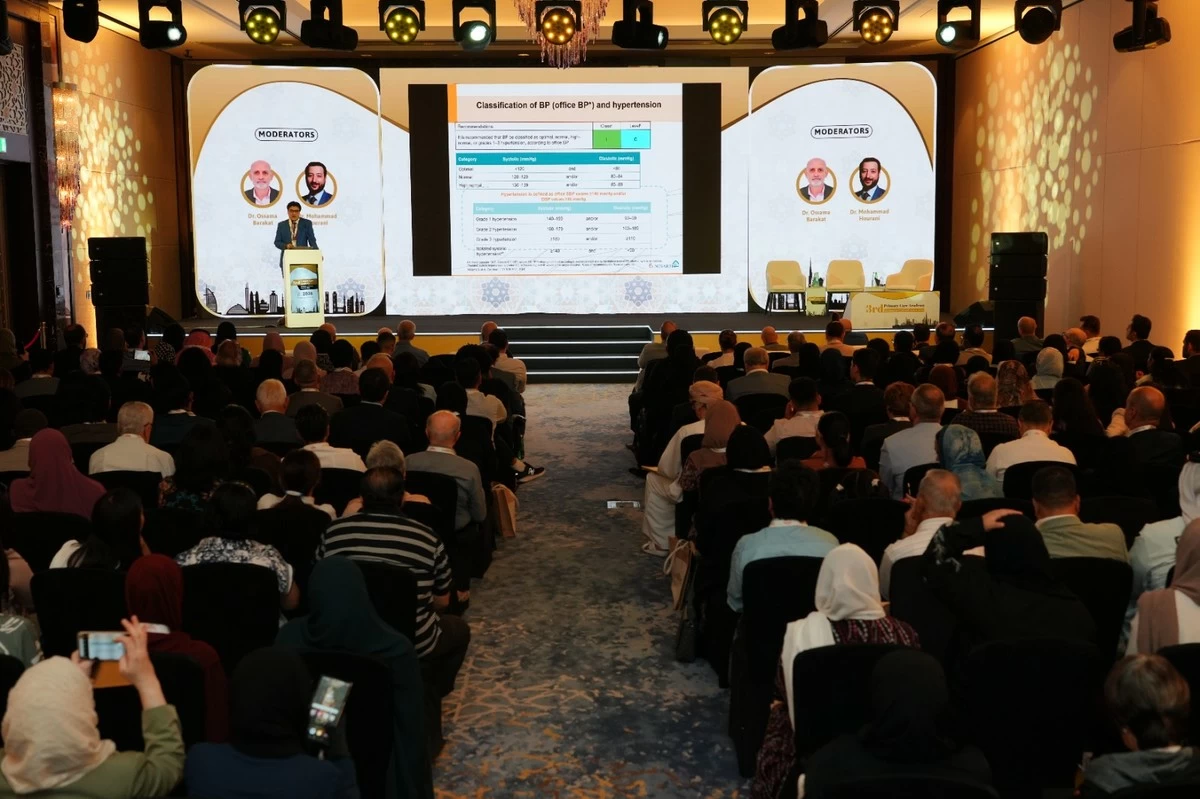
Dubai, Nov 9: The 3rd Primary Care Academy 2026, held in partnership with Emirates Hospital Group and endorsed by the Emirates Medicine Family Society and the Health Promotion & Health Policy Association of Turkey, took place in Dubai on October 3.
The event brought together healthcare professionals and experts to examine how primary care can respond to the growing burden of chronic diseases through earlier intervention, personalised care and greater attention to the behavioural factors that influence patient outcomes.
Across sessions covering cardiovascular health, cancer screening, metabolic health, obesity, diabetes and smoking cessation, a recurring message was that effective prevention requires clinicians to look beyond individual measurements such as cholesterol, blood pressure, BMI or glucose levels and consider the wider clinical, behavioural and social factors shaping an individual's health risks.
Cardiovascular discussions reinforced the importance of acting before a first major health event occurs. Experts explored factors beyond conventional lipid measurements, including inflammation, insulin resistance and genetics, alongside modifiable influences such as sleep, stress, smoking and physical activity.
Speakers also highlighted the central role of primary care physicians in bringing these different dimensions together, identifying high-risk patients earlier and addressing risk factors before they develop into serious disease.
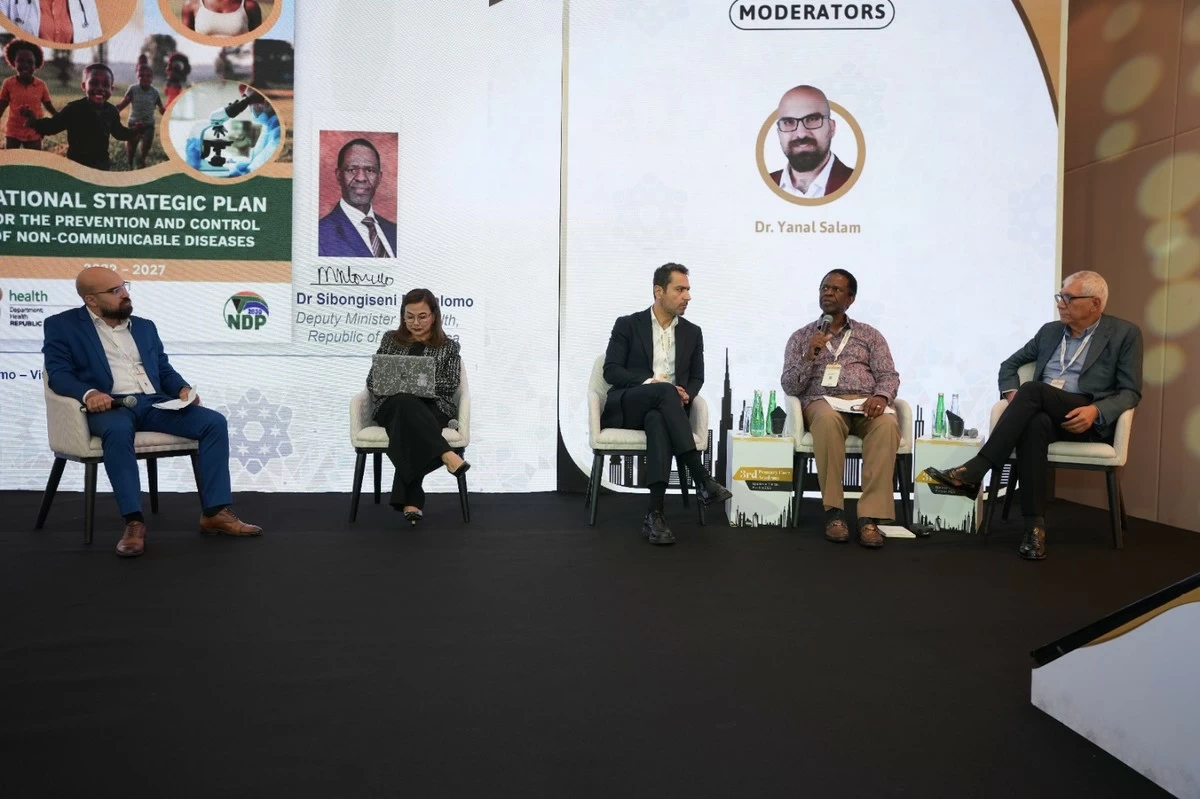
During a panel discussion on the realities of chronic disease management, experts examined challenges related to prevention and sustained patient care, including treatment adherence, access to healthcare, clinical risk and patient behaviour.
Smoking cessation and nicotine dependence were among the public-health issues discussed, with panellists noting that helping smokers quit can require more than simply advising them to stop. Levels of dependence, behavioural routines, emotional and social triggers, previous quit attempts and the risk of relapse can all influence an individual's ability to stop smoking and may need to be considered when providing appropriate medical and behavioural support.
The discussions also addressed tobacco harm reduction as a subject of ongoing public-health and scientific debate. Speakers stressed that the safest approach is not to begin smoking or using tobacco or nicotine products, and that quitting tobacco use remains an important health objective. Any discussion of alternative approaches was presented in the context of adult smokers who are unable to quit, with emphasis on the fact that such products or approaches are not risk-free and are not intended for non-smokers, young people or those who do not currently use tobacco or nicotine.
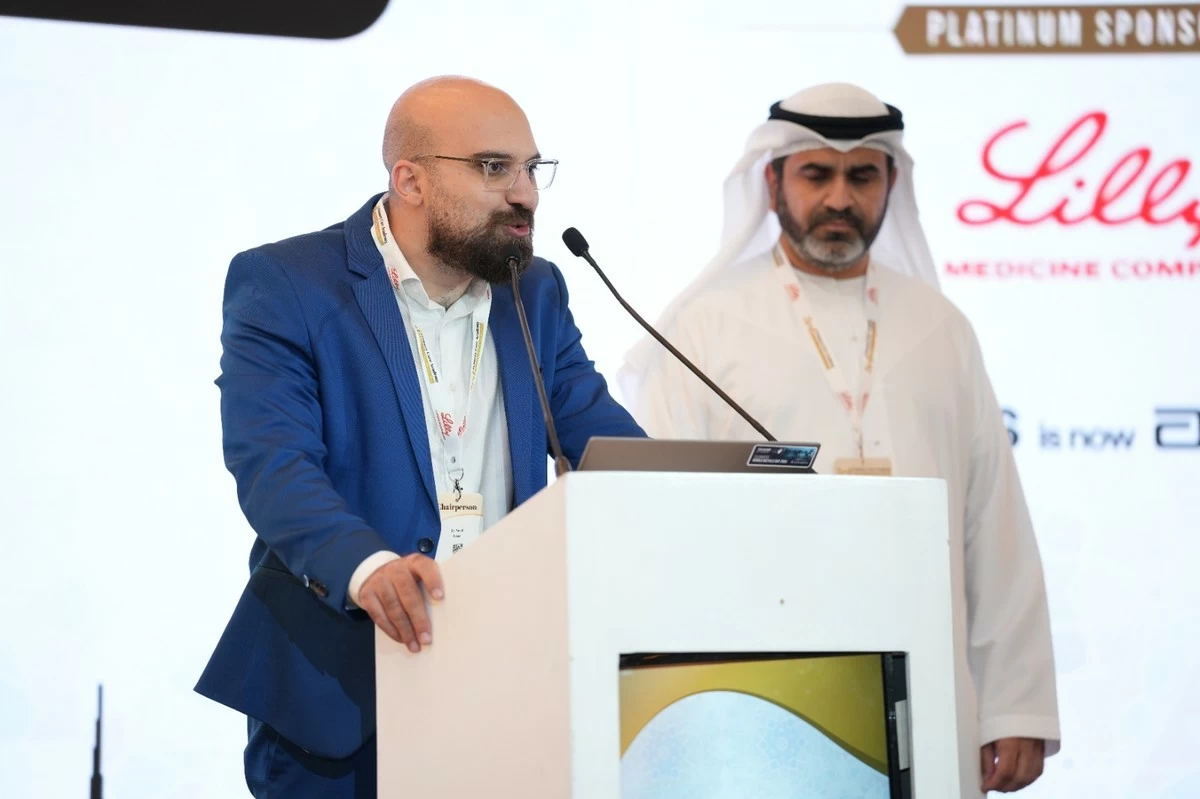
Dr. Sherif Bakir, Consultant Cardiologist at Medcare Medical Centre, said: “We have to emphasise the difference between smoking and nicotine. The two are not the same. Smoking is harmful, and if someone is not able to stop, harm reduction becomes important. These approaches are only for adult smokers who are unable to stop smoking, and we should never encourage someone who has never smoked to start.”
Technology was also considered within the broader shift towards more individualised care. An early-stage AI-supported clinical decision-support model for smoking cessation was discussed as a potential tool to help clinicians organise information related to dependence, behavioural triggers, previous quit attempts, comorbidities and relapse risk, and translate this information into structured, guideline-linked recommendations.
Speakers stressed, however, that AI should support rather than replace physician judgement, with human oversight, explainability, local validation and real-world evidence essential to its responsible use.
Obesity discussions similarly challenged conventional approaches that focus primarily on body weight or individual willpower. Speakers described obesity as a chronic, relapsing and multifactorial disease influenced by metabolic, psychological, behavioural and socioeconomic factors.
Assessment and treatment, they argued, should therefore consider the broader health of the individual rather than relying solely on a single measurement.
Dr. Rahila Bhatti, Consultant in General Internal Medicine, Diabetes & Endocrinology at Genesis Healthcare Centre, said: “Obesity is a chronic disease. It is not a kilogram-based disease, and it is not defined by BMI alone. The scale provides limited and incomplete information. Weight loss shouldn’t be the only goal for the management of obesity. We need to progress from the conversations about willpower and body weight and focus on improving metabolic health and quality of life, because one size does not fit all.”
Cancer screening discussions also balanced innovation with evidence. While emerging approaches, including AI-assisted mammography, liquid biopsy and multi-cancer detection, were explored, speakers reinforced that established screening programmes remain the foundation of early detection. New technologies, they said, should complement rather than replace proven and evidence-based approaches.
Across the event, the wider message focused on a shift towards precision prevention: identifying health risks earlier, understanding the individual behind those risks and supporting sustainable behavioural change over time.
From cardiovascular disease and obesity to cancer prevention and smoking cessation, discussions reinforced that advances in treatment and technology are most effective when combined with clinical judgement, sustained behavioural support and patient-centred care.