



14/04/2026

Share:
14/04/2026
Share:
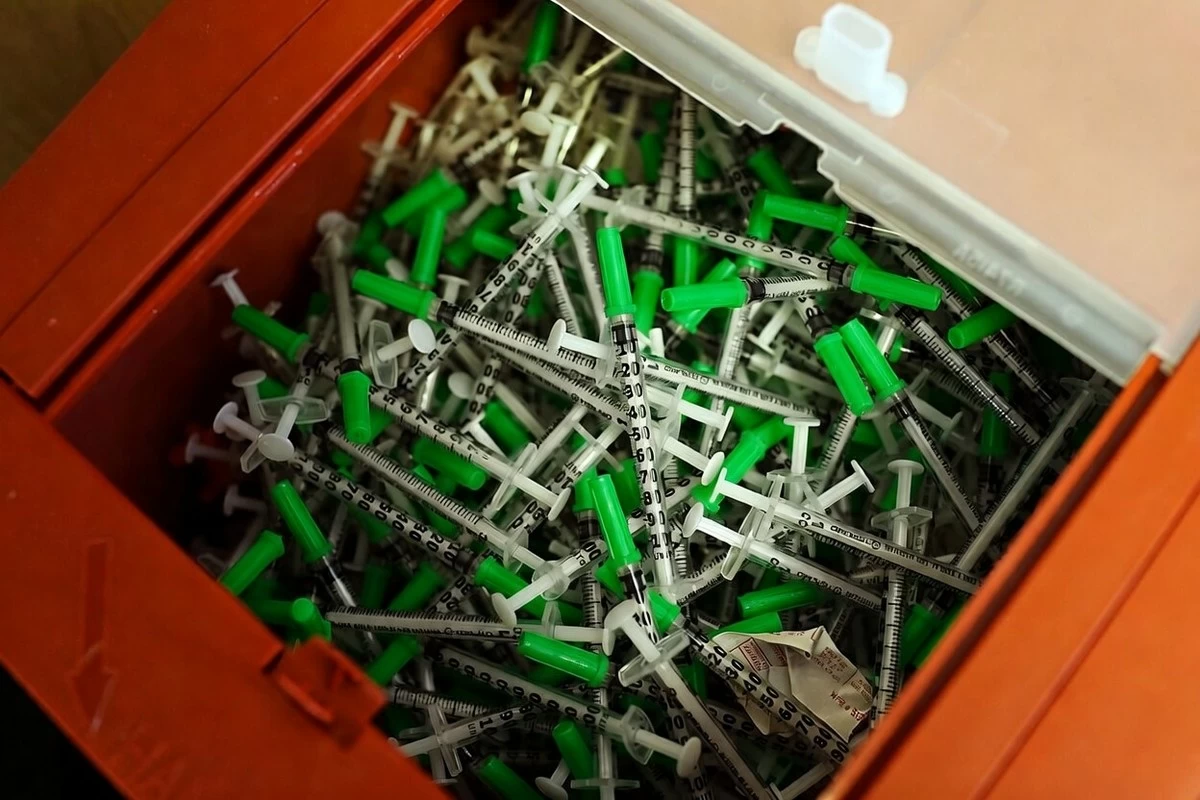

LAHORE, Apr 14: A major investigation by BBC News has uncovered alarming infection control failures at a government hospital in Pakistan, where unsafe medical practices are believed to have contributed to an outbreak that infected at least 331 children with HIV.
The investigation, conducted by BBC Eye, found that staff at THQ Hospital Taunsa in Punjab were repeatedly filmed reusing syringes and violating basic hygiene protocols during treatment procedures.
Evidence of unsafe medical practices
According to footage recorded over 32 hours inside the hospital, healthcare workers were seen using the same syringes on multiple patients, drawing medication from multi-dose vials and then administering them to different children—practices experts say create a high risk of viral transmission.
In several instances, syringes containing leftover liquid were reportedly passed between staff for reuse. Medical personnel were also observed administering injections without gloves, leaving used needles on open surfaces, and failing to properly dispose of medical waste.
Scale of the outbreak
Data compiled from provincial screening programmes, private clinics, and leaked police records indicates that at least 331 children in Taunsa tested positive for HIV between November 2024 and October 2025.
In more than half of these cases, medical records reportedly listed “contaminated needle” as the likely mode of transmission.
A local physician, Dr Gul Qaisrani, first raised alarm in late 2024 after observing an unusual spike in HIV cases among children visiting his clinic. He said nearly all of the 65 to 70 children he diagnosed had previously received treatment at THQ Hospital Taunsa.
Personal tragedies
Among the affected families is that of eight-year-old Mohammed Amin, who died shortly after testing positive for HIV. His mother described his final days as marked by severe fever and pain.
Shortly after his diagnosis, his sister Asma also tested positive. The family believes both children contracted the virus through contaminated injections administered during routine medical treatment.
Expert concerns
Medical experts say the practices documented in the footage are sufficient to spread HIV even when new needles are used, if syringe bodies are contaminated.
“Even if a new needle is attached, the syringe body can carry the virus,” said microbiologist Dr Altaf Ahmed, who reviewed the findings. He described one incident—where a used syringe was retrieved and reused—as a violation of “every principle” of safe medical practice.
Transmission patterns raise alarm
Out of 97 families tested, only four mothers were found to be HIV-positive, suggesting that mother-to-child transmission was not the primary cause of infection.
This supports concerns that unsafe medical injections were the dominant transmission route in the outbreak.
Official response and denial
Despite the findings, hospital authorities have rejected allegations of wrongdoing. Medical superintendent Dr Qasim Buzdar questioned the authenticity of the footage, suggesting it may have been staged or recorded before his tenure.
He maintained that infection control standards are a priority at the facility.
Government intervention
The Punjab provincial government intervened in March 2025 after reported cases exceeded 100, suspending the then hospital head. However, BBC findings suggest unsafe practices continued even months later, raising concerns about enforcement and oversight failures.
Calls for reform
Health experts warn that the outbreak highlights deep systemic weaknesses in infection control across parts of the healthcare system. They stress that without urgent reforms, training, and strict enforcement of safety protocols, similar incidents could recur, putting vulnerable patients—especially children—at continued risk.