



13/10/2026

Share:
13/10/2026
Share:
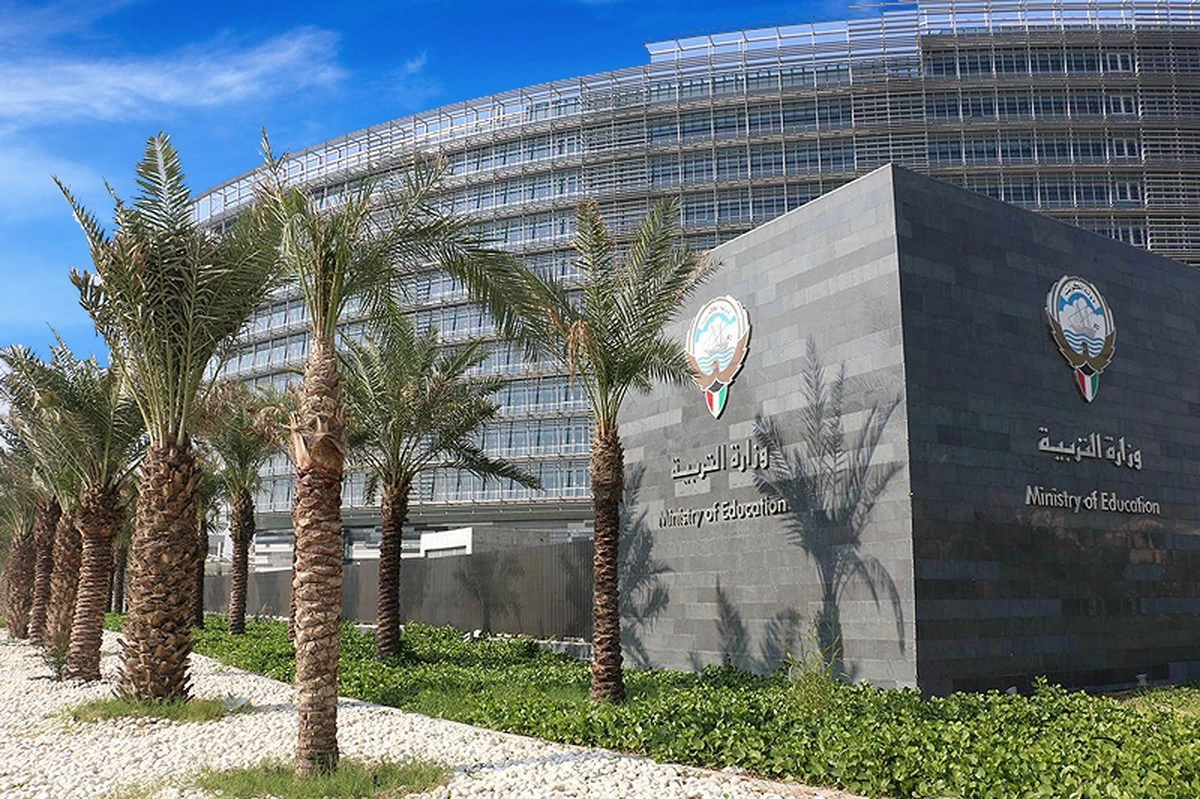

KUWAIT CITY, Oct 13: The Ministry of Education has approved 1,311 grievances submitted by teachers affected by staff redistribution decisions, following a review of their applications, supporting documents and individual circumstances.
The ministry said a specialised committee examined the complaints under unified criteria to ensure fairness and transparency while balancing schools’ actual staffing requirements with teachers’ humanitarian, health, social and family circumstances.
The approved criteria included a distance of at least 16 kilometres between a teacher’s residence and the newly assigned school, health conditions, responsibility for caring for people with disabilities or special needs, and other documented family and social circumstances.
The ministry said some cases required verification through official documents and medical reports because the relevant information was not available in the electronic Teacher Record system. Grievances that did not meet the approved conditions and standards were rejected after review.
Teachers affected by the redistribution decisions have been instructed to check the outcome through the “My Decisions” service on the ministry’s website and complete their administrative procedures electronically through the Teacher and Administrator Record system.
The former school principal will approve the teacher’s clearance, while the new school principal will confirm the commencement of work. Fingerprint records will then be transferred automatically, eliminating the need to visit administrative offices.
Teaching workload balance improves
The ministry said the percentage of teachers whose teaching loads fall within the approved limits has increased to 75% across all educational districts, compared with 34% before the redistribution plan was implemented.
The Capital Educational District recorded an increase from 36% to 84%, while Farwaniya and Mubarak Al-Kabeer districts each rose from 38% to 82%.
Hawalli improved from 32% to 73%, Ahmadi from 36% to 70%, and Jahra from 30% to 64%.
The ministry attributed the improvements to efforts to distribute teachers more fairly according to the number of classes, student enrolment and the actual requirements of individual schools.
However, it acknowledged that some subjects continue to face higher teaching loads because of shortages of teachers in particular specialisations. Redistribution has helped reduce disparities and address some staffing needs, while further measures are being pursued to tackle the remaining shortages.
Reform aims to improve resource utilisation
The ministry said the administrative reform plan was introduced partly in response to observations in oversight reports concerning disparities in teacher distribution among schools and educational districts.
It cited official indicators showing that the national average number of students per teacher fell from five in the 2022/2023 academic year to four in 2024/2025, despite continuing imbalances in staffing distribution.
The ministry also referred to the OECD’s Education at a Glance 2024 report, which recorded average student-to-teacher ratios of about 14 to one in primary education and 13 to one in lower- and upper-secondary education across OECD countries. It noted that international comparisons must take into account differences in education systems and calculation methods.
The ministry said the redistribution plan aims to improve the use of available teaching staff, address workload disparities, strengthen school stability and ensure classes are covered regularly, while improving the efficiency of public spending.
It reaffirmed that the plan would continue under unified standards, with ongoing monitoring of staffing requirements and measures to address shortages, stressing that students’ interests and the quality of education remain the central objectives of the reform.