



19/03/2026

Share:
19/03/2026
Share:

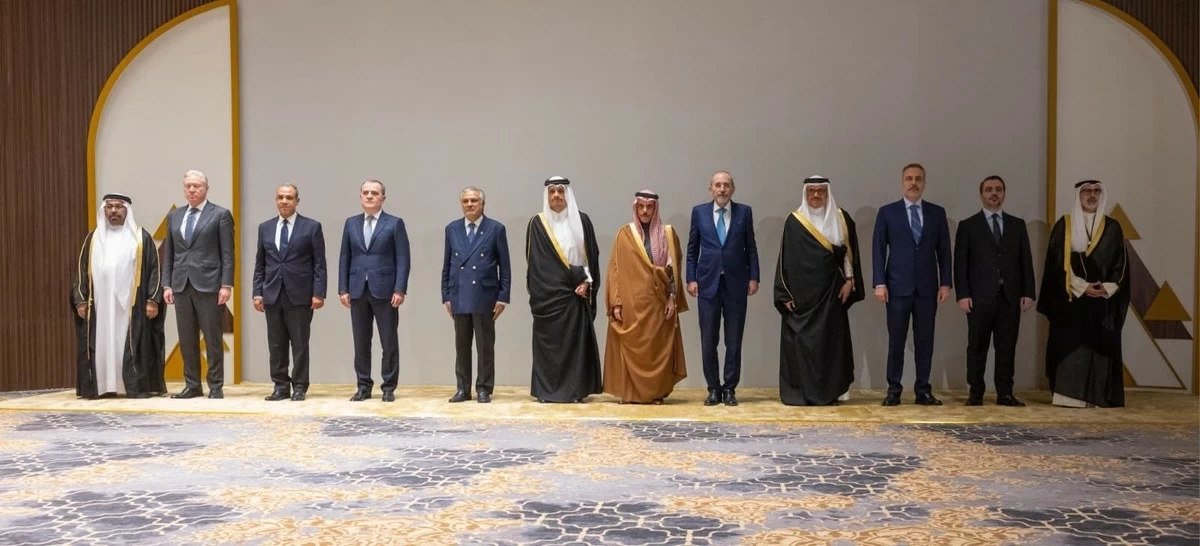
RIYADH, March 18: Foreign ministers from 13 countries, including State of Kuwait, Kingdom of Saudi Arabia, United Arab Emirates, State of Qatar, Kingdom of Bahrain, Arab Republic of Egypt, Hashemite Kingdom of Jordan, Republic of Lebanon, Republic of Azerbaijan, Republic of Turkey, Islamic Republic of Pakistan, and Syrian Arab Republic held a high-level consultative meeting in Riyadh on Wednesday to discuss escalating regional tensions and what they described as Iranian aggressions.
In a joint statement, the ministers strongly condemned attacks carried out by Iran using ballistic missiles and drones, accusing Tehran of deliberately targeting residential areas and critical civilian infrastructure, including oil facilities, desalination plants, airports, housing complexes, and diplomatic premises across several countries in the region. They stressed that such actions are unjustifiable under any circumstances and constitute a serious violation of international law.
The participants reaffirmed the right of affected countries to defend themselves in line with Article 51 of the United Nations Charter, calling on Iran to immediately halt its attacks, respect international and humanitarian law, and adhere to principles of good neighborliness. They emphasized that de-escalation and regional stability can only be achieved through diplomacy and respect for sovereignty.
The ministers also urged Iran to comply with UN Security Council Resolution 2817 by ceasing all hostile actions, avoiding provocations, and ending support for armed groups in Arab countries. They warned against any attempts to disrupt international navigation, particularly in key waterways such as the Strait of Hormuz and Bab al-Mandab.
In addition, the meeting reiterated support for Lebanon’s sovereignty and stability, backing the government’s efforts to ensure that arms remain exclusively under state control. The ministers also condemned Israeli actions in Lebanon, citing concerns over ongoing aggression and expansionist policies.
The participating countries pledged to maintain close coordination and consultations to monitor developments, unify positions, and take necessary measures to protect their security, sovereignty, and regional stability.