



05/07/2026

Share:
05/07/2026
Share:

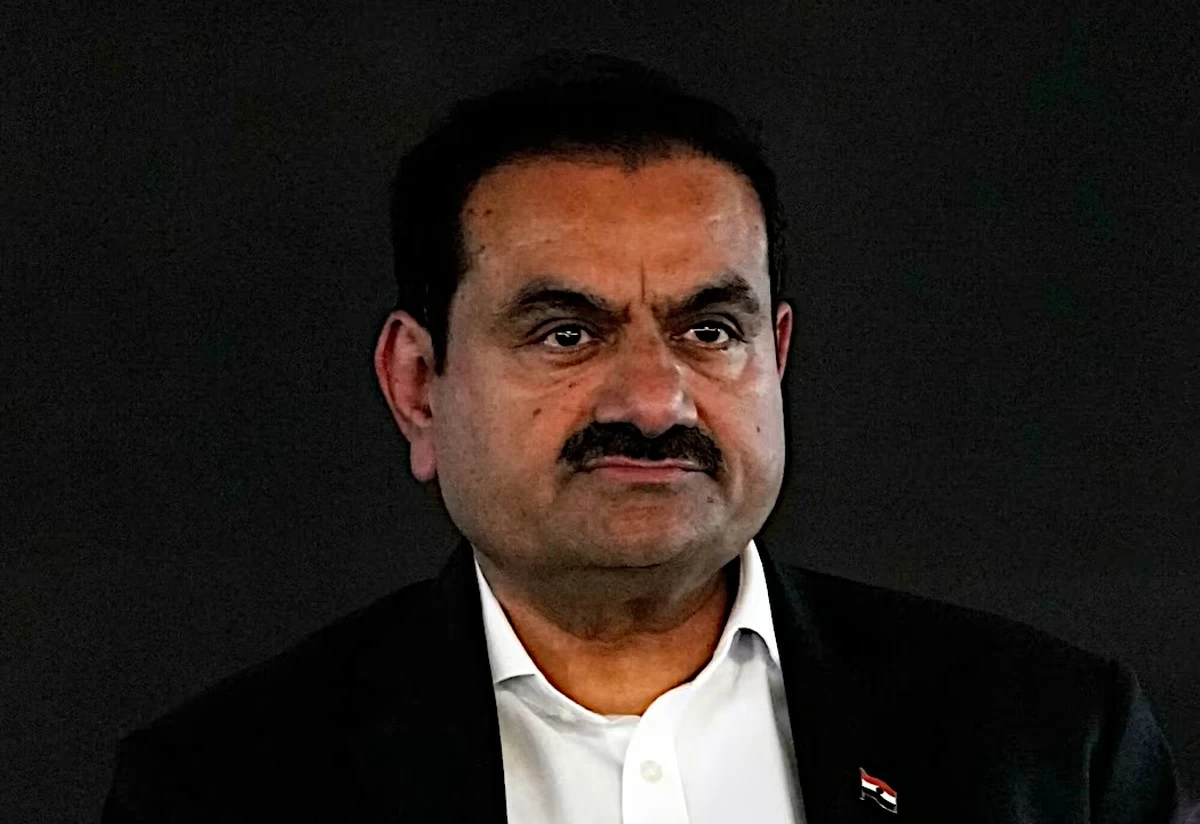
WASHINGTON, Jul 5: The US Department of Justice (DOJ) has defended its decision to drop bribery criminal charges against Indian billionaire Gautam Adani, arguing that the case should never have been brought and that pursuing it would have been an inappropriate use of US prosecutorial resources.
In a court filing dated July 4, Trent McCotter, Principal Associate Deputy Attorney General, said the department's decision to abandon the case in May was "not a close call," responding to questions raised by US District Judge Nicholas Garaufis, who is overseeing the case in federal court in Brooklyn.
Judge Garaufis had asked the Justice Department in June to explain why it had decided to dismiss the high-profile case, which was filed in 2024 during the final months of the Biden administration.
The indictment accused Adani and several others of orchestrating a scheme to pay more than $250 million in bribes to Indian government officials to secure lucrative solar energy contracts. Prosecutors had also alleged that some of the defendants misled US and international investors while raising capital by concealing the alleged bribery scheme.
However, McCotter argued that the prosecution faced significant legal and practical hurdles. He said the case involved conduct that primarily occurred outside the United States and would have presented "extraordinary proof problems."
He also emphasized that investors had not suffered financial losses linked to the securities involved.
"Not a single penny has ever been lost on the securities at issue," McCotter wrote.
The Justice Department further argued that the United States should avoid acting as "the world's police" in matters that primarily concern another country's domestic affairs.
"The United States pretending to be the world police can cause diplomatic strife and also wastes resources better spent on domestic concerns," McCotter said, adding that "India can better manage its internal systems than can prosecutors in Brooklyn and Washington."
According to the filing, Indian authorities have already examined many of the allegations and, through several reports and decisions issued in 2026, found no actionable misconduct.
McCotter also maintained that the department's authority to dismiss criminal cases is protected under the US Constitution and warned that courts should not delay dismissals when both prosecutors and defendants agree they are appropriate.
He rejected suggestions that the decision was influenced by Adani's previously announced plan to invest $10 billion in the United States following Donald Trump's election victory in late 2024.
Bloomberg previously reported that Adani's legal team referenced the investment pledge in its efforts to persuade prosecutors to dismiss the case. McCotter, however, insisted the investment commitment played no role in the DOJ's decision.
"The department should be credited for ending these criminal securities charges before having to endure a likely loss on the merits," he wrote, adding that he was the "final and sole decision-maker" behind the move to dismiss the charges.
An Adani Group spokesperson and Gautam Adani's lawyer declined to comment on the filing.