


24/05/2026

Share:
24/05/2026
Share:
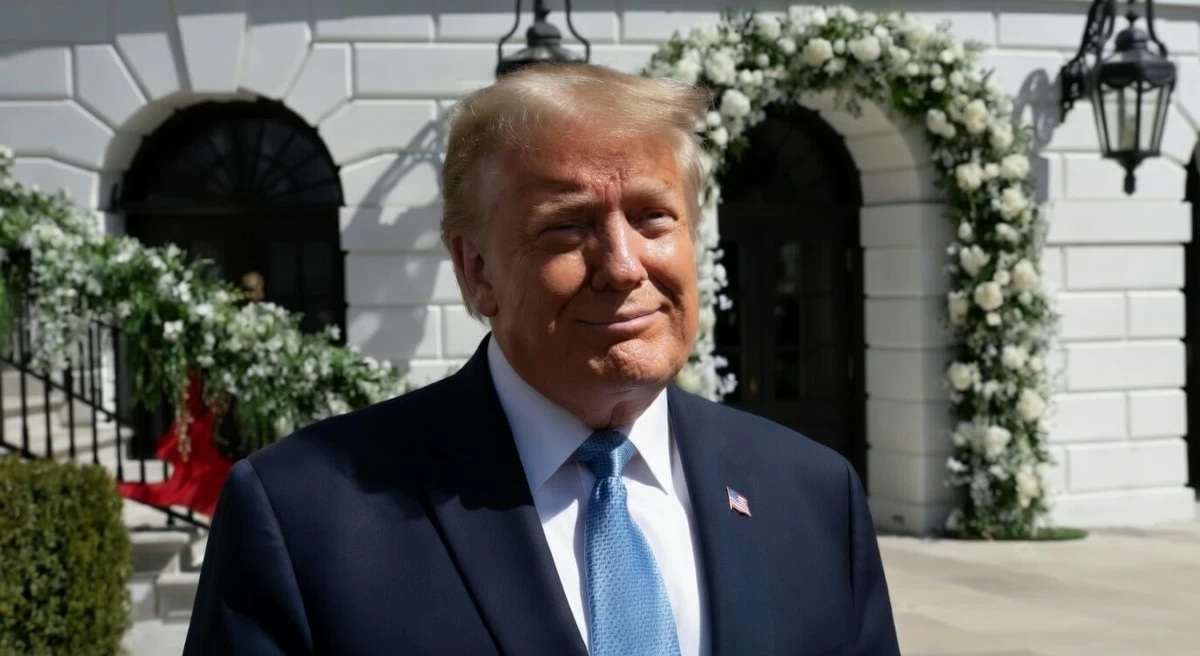

WASHINGTON / TEHRAN, May 24: US President Donald Trump on Sunday said that the American blockade on Iran would remain in place until a final nuclear agreement is reached, signed, and fully certified, as negotiations between Washington and Tehran continue amid competing political statements from both sides.
In a post on Truth Social, Trump said he had instructed his representatives not to rush into any deal, stressing that “time is on our side” and that both sides must ensure the agreement is carefully structured. He added that the ongoing talks were “orderly and constructive,” but reiterated that Iran must not be allowed to develop or acquire a nuclear weapon.
“The negotiations are proceeding in an orderly and constructive manner, and I have informed my representatives not to rush into a deal… There can be no mistakes,” Trump wrote, while also stating that US restrictions would remain “in full force and effect” until an agreement is finalized.
US Secretary of State Marco Rubio reinforced the administration’s position, saying President Trump would not accept any deal that strengthens Iran’s nuclear ambitions. He said Washington’s preference remains a diplomatic resolution, but emphasized that any agreement must not place Iran in a stronger strategic position.
Meanwhile, Trump also shared a post quoting Iranian President Masoud Pezeshkian, in which Iran reiterated it was not seeking nuclear weapons or regional instability, signaling mixed messaging surrounding the negotiations.
Reports from Axios suggested that no formal signing of an agreement is expected immediately, with US officials indicating that several details remain unresolved. According to the report, ongoing discussions involve technical wording and approval processes within Iran’s political system, which officials described as slow and complex. A senior US official was quoted as saying that while Iran’s Supreme Leader, Mojtaba Khamenei, has approved a broad framework, the final outcome remains uncertain.
Donald Trump Jr. described the potential agreement as a “HUGE win for America,” arguing that critics were pushing unrealistic expectations and reaffirming claims that the administration’s objective is to prevent Iran from acquiring nuclear weapons.
On the Iranian side, lawmaker Mahmoud Nabavian warned that any agreement lacking Tehran’s core demands would be viewed as a setback. He said Iran would not accept a deal unless it included guarantees on sovereignty over the Strait of Hormuz, sanctions relief, release of frozen funds, recognition of enrichment rights, and the withdrawal of foreign pressure from the region.
As diplomatic exchanges intensify, both Washington and Tehran continue to project confidence while maintaining firm public positions, leaving the outcome of a potential agreement still uncertain.