



08/10/2023
 Arab Times

Share:

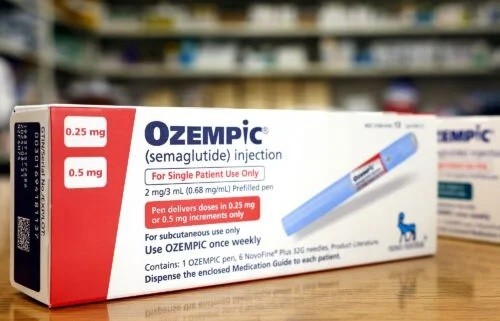
NEW YORK, Oct 7, (Agencies): A recent study has raised concerns about the safety of popular injectable weight loss medications, including Wegovy, Ozempic, Saxenda, and Victoza. According to the study, individuals taking these drugs may face a higher risk of serious digestive issues such as stomach paralysis, pancreatitis, and bowel obstructions when compared to those using alternative weight loss medications.
The research, published as a research letter in JAMA, analyzed a random sample of over 16 million insurance claims from a prescription drug database spanning from 2006 to 2020, covering approximately 93% of outpatient prescriptions in the US. The study focused on patients prescribed two injected drugs, semaglutide and liraglutide, both belonging to the GLP-1 agonists class, which slow down food passage through the stomach and can aid in diabetes management and weight loss.
The findings revealed that individuals taking Ozempic and Saxenda were significantly more likely to develop severe stomach and intestinal problems compared to those using a different weight loss medication called Contrave. Specifically, the relative risks were striking: Ozempic users were more than three times as likely to develop stomach paralysis, Saxenda users were more than four times as likely to experience bowel obstructions, and pancreatitis risk was over nine times higher for those on Ozempic.
However, it's important to note that this study is observational and can only establish associations, not causation. Researchers did attempt to mitigate potential biases by excluding patients with diabetes and controlling for various factors. Still, it's impossible to confirm why individuals were taking these medications, as weight loss may not have been explicitly documented in their medical records.
Experts, while acknowledging the study's value, also highlight its limitations, such as the disparity in the number of patients taking the injected drugs versus Contrave and the absence of BMI comparisons. Nevertheless, the study underscores the importance of monitoring and understanding the potential risks associated with these medications.
Novo Nordisk, the manufacturer of Ozempic and Saxenda, stands by the safety and efficacy of their GLP-1 medications when used as per labeling and approved indications. They recommend that patients use these drugs under healthcare provider supervision, taking into account individual medical profiles.
The study's authors hope that regulatory agencies and drug manufacturers will consider updating warning labels to include the risk of gastroparesis, a condition not currently mentioned in product warnings. They also believe that this study can empower individuals to make informed decisions regarding these medications.
On the flip side, it's essential to acknowledge that obesity carries its own substantial health risks. For many individuals with severe obesity, the benefits of weight loss may outweigh the potential risks associated with these medications. Ultimately, patients should engage in thorough discussions with healthcare professionals to make informed choices about their weight management strategies.